



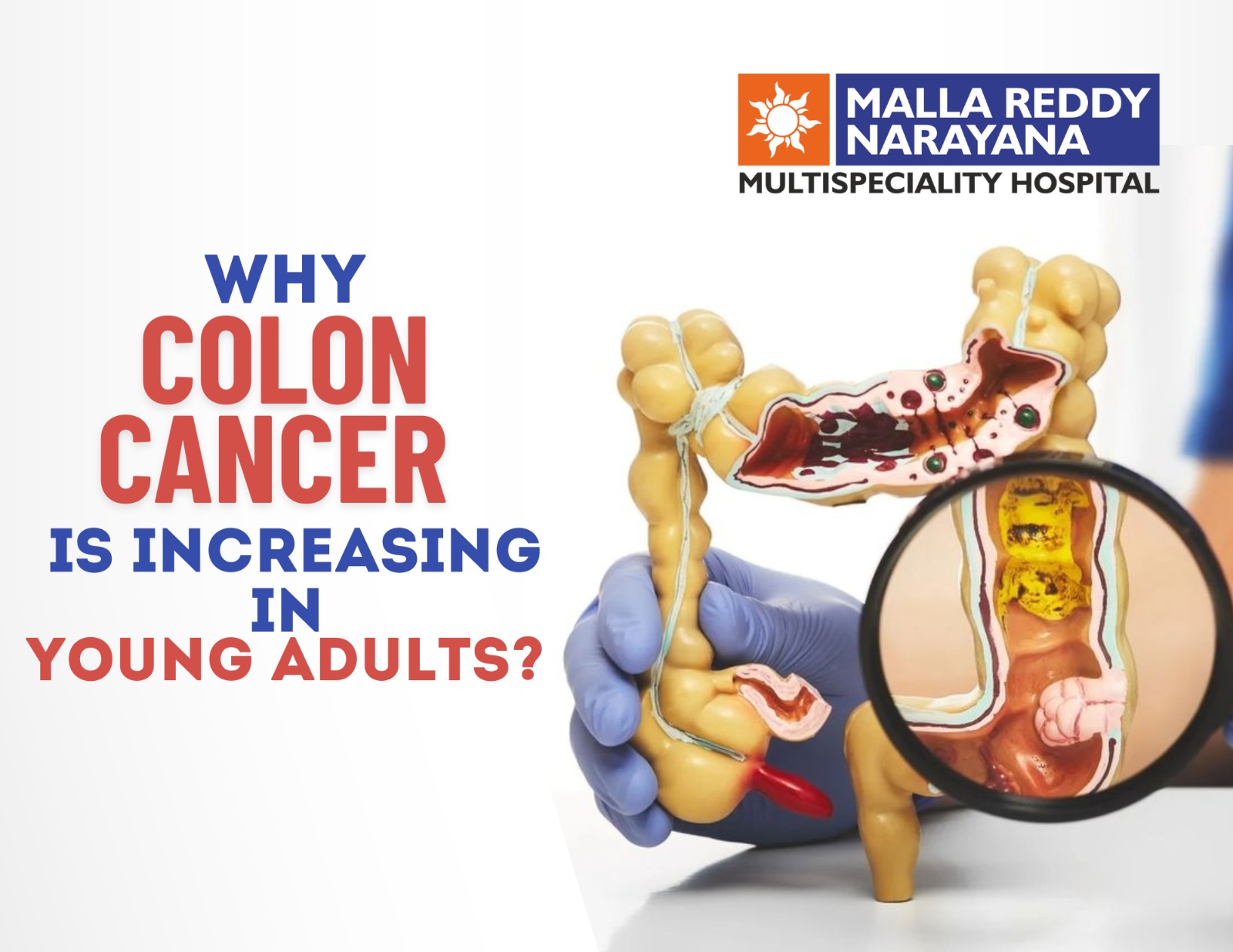
Many people tend to ignore persistent digestive discomfort, irregular bowel habits, or occasional blood in the stool, assuming it is a temporary stomach issue. However, doctors worldwide are noticing a concerning trend — colorectal cancer is increasingly being diagnosed in younger adults.
Understanding the warning signs and the importance of early screening can make a significant difference in detecting the condition at an early and treatable stage.
Quick Facts About Colorectal Cancer
• One of the most commonly diagnosed cancers worldwide
• Cases among adults under 50 have been increasing in recent years
• Many colorectal cancers develop from precancerous polyps
• Early detection significantly improves treatment outcomes
• Cases among adults under 50 have been increasing in recent years
• Many colorectal cancers develop from precancerous polyps
• Early detection significantly improves treatment outcomes
Why Are Cases Increasing Today?
Medical experts believe that several lifestyle changes may contribute to the rise in colorectal cancer cases among younger adults. Diets high in processed foods, sedentary work environments, obesity, chronic stress, and genetic predisposition are some of the factors that may increase risk.
Another important concern is that younger individuals often dismiss early symptoms as minor digestive problems, which can delay timely medical evaluation.
Symptoms You Should Not Ignore
Colorectal cancer symptoms may vary, but a doctor should always evaluate certain signs if they persist:
- Blood in the stool
- Persistent constipation or diarrhea
- Abdominal discomfort or cramping
- Unexplained weight loss
- Persistent fatigue or weakness
- Narrow or pencil-shaped stools
- Feeling that the bowel does not empty completely
While these symptoms do not always indicate cancer, persistent digestive changes should never be ignored.
When Should Screening Begin?
Regular screening plays a key role in preventing colorectal cancer. Medical guidelines generally recommend screening starting at 45 years of age for individuals with average risk. People with a family history of colorectal cancer may need screening earlier.
Common screening methods include colonoscopy, stool-based tests, and imaging-based evaluations. A colonoscopy may be recommended once every 10 years for individuals with normal results, though frequency may vary depending on individual risk factors.
Advances in Modern Treatment
Cancer treatment has advanced significantly in recent years. Across the world, treatment approaches for colorectal cancer now include minimally invasive surgeries, robotic-assisted procedures, targeted therapy, immunotherapy, and precision-based treatment planning.
These modern approaches allow doctors to treat cancer more effectively while supporting faster recovery and improved outcomes for patients.
Steps to Protect Your Colon Health
Adopting healthy lifestyle habits can help reduce risk:
- Eat a diet rich in fiber, fruits, and vegetables
- Maintain regular physical activity
- Limit processed and red meat consumption
- Maintain a healthy body weight
- Avoid smoking and excessive alcohol intake
At Malla Reddy Narayana Multispeciality Hospital, specialists emphasize the importance of awareness, timely screening, and early medical consultation. Understanding the symptoms and seeking evaluation when needed can play a crucial role in protecting long-term digestive health.
FAQs:
1. Can young adults develop colorectal cancer?
Yes. Although it was once more common in older adults, cases among younger individuals are increasing worldwide.
2. Is blood in stool always a sign of colorectal cancer?
Not always. It may occur due to conditions like hemorrhoids or infections, but persistent bleeding should always be medically evaluated.
Not always. It may occur due to conditions like hemorrhoids or infections, but persistent bleeding should always be medically evaluated.
3. When should colorectal cancer screening begin?
Screening is generally recommended starting at age 45for individuals at average risk.
Screening is generally recommended starting at age 45for individuals at average risk.
4. How often should a colonoscopy be done?
For individuals with normal findings, a colonoscopy may be recommended once every 10 years, depending on medical advice.
For individuals with normal findings, a colonoscopy may be recommended once every 10 years, depending on medical advice.
5. Can colorectal cancer be prevented?
Screening can detect and remove precancerous polyps, which may help prevent cancer from developing.
6. What lifestyle habits help reduce risk?
A healthy diet, regular exercise, maintaining a healthy weight, and avoiding smoking can help lower risk.
A healthy diet, regular exercise, maintaining a healthy weight, and avoiding smoking can help lower risk.
7. Is colorectal cancer treatable if detected early?
Yes. Early detection greatly improves treatment success and long-term outcomes.
Yes. Early detection greatly improves treatment success and long-term outcomes.