



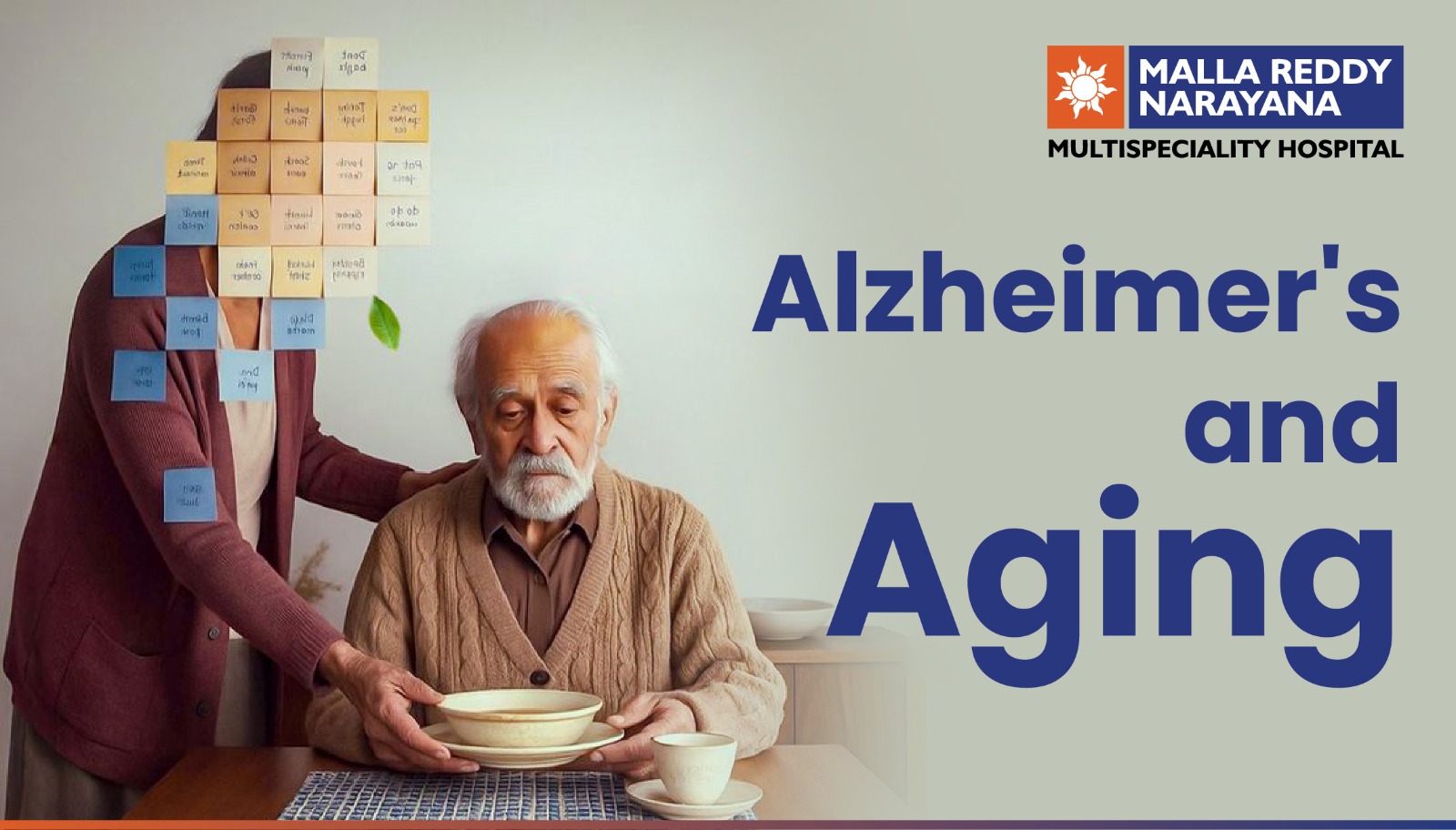
Alzheimer’s disease is often thought of as a condition that simply causes forgetfulness. However, it is much more than that. It gradually affects a person's ability to think, communicate, make decisions, recognize loved ones, and carry out everyday activities. As the disease progresses, it impacts not only the individual but also their family, relationships, and quality of life.
One of the biggest challenges with Alzheimer's is that its early signs are often mistaken for normal aging. Forgetting recent conversations, misplacing items frequently, struggling to find the right words, or becoming confused in familiar places may seem harmless at first. Yet, these can be important warning signs that deserve attention.
Early diagnosis can make a significant difference. While there is currently no cure for Alzheimer's disease, identifying it in its initial stages allows patients and families to plan ahead, access appropriate medical support, manage symptoms effectively, and improve overall quality of life. Early intervention can also help slow the progression of certain symptoms and provide valuable time for patients to maintain independence.
Brain health is influenced by several lifestyle factors. Regular physical activity, a balanced diet, quality sleep, mental stimulation, social engagement, and managing conditions such as diabetes, hypertension, and obesity can contribute to better cognitive health. Simple habits like reading, solving puzzles, learning new skills, and staying socially connected help keep the brain active and engaged.
Alzheimer's awareness is not just about understanding a disease—it is about protecting memories, preserving dignity, and supporting families through a challenging journey. Many people hesitate to seek medical advice because they fear the diagnosis or believe memory loss is a natural part of aging. In reality, timely evaluation by a specialist can provide clarity, reassurance, and access to appropriate treatment options.
This World Alzheimer's Day, let us move beyond awareness and encourage action. If you notice persistent memory changes in yourself or a loved one, do not ignore them. A conversation today could make a meaningful difference tomorrow.
Because Alzheimer's may begin with forgotten moments—but awareness can help preserve countless more.
FAQs
1. What is the first sign of Alzheimer's disease?
The earliest sign is often difficulty remembering recently learned information, conversations, or events.
2. Is Alzheimer's a normal part of aging?
No. While occasional forgetfulness can occur with age, Alzheimer's is a progressive brain disorder that goes beyond normal aging.
3. Who is at higher risk of developing Alzheimer's?
Older adults, individuals with a family history of dementia, and those with conditions like diabetes, hypertension, and cardiovascular disease may have a higher risk.
4. Can Alzheimer's be prevented?
There is no guaranteed prevention, but maintaining a healthy lifestyle, staying mentally active, exercising regularly, and controlling chronic health conditions may help reduce risk.
5. When should someone seek medical evaluation for memory problems?
If memory loss begins affecting daily activities, communication, decision-making, or independence, it is important to consult a healthcare professional promptly.