



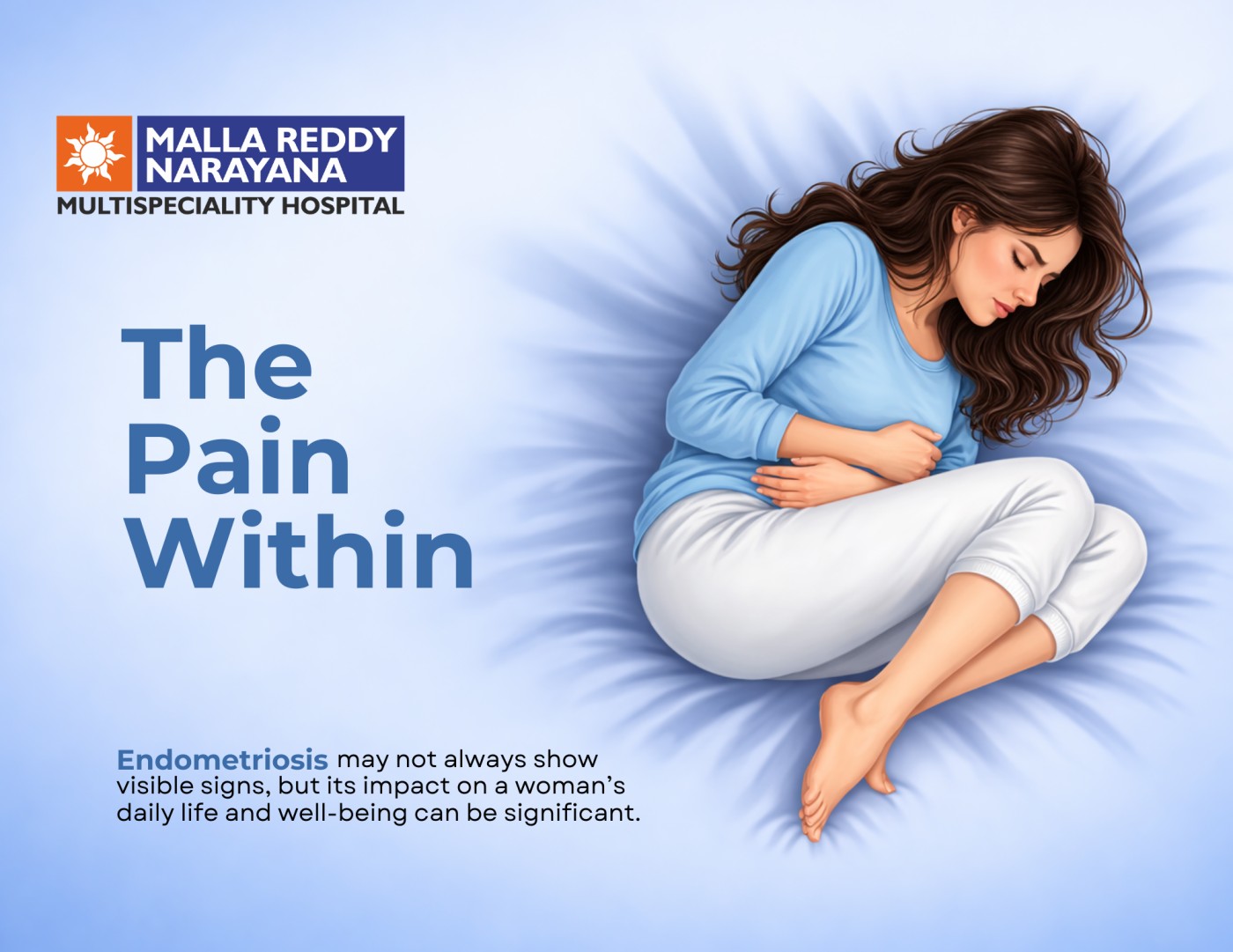
Many women grow up hearing that period pain is normal. While mild discomfort during menstruation can be common, severe or persistent pain should never be ignored. One possible reason behind such symptoms is endometriosis, a condition that affects millions of women worldwide but is often misunderstood or diagnosed late.
Endometriosis occurs when tissue similar to the lining of the uterus grows outside the uterus. These growths may develop around the ovaries, fallopian tubes, or pelvic lining. Since this tissue behaves like the uterine lining during menstrual cycles, it can lead to pain, inflammation, and other complications.
Because symptoms can vary from person to person, many women may overlook the early signs or assume they are simply part of their menstrual cycle.
How Endometriosis Can Affect Women at Different Ages
Endometriosis can appear at any stage of a woman’s reproductive life, and the symptoms may change over time.
Teen Years (13–19)
In teenagers, endometriosis may begin as severe menstrual cramps that feel stronger than usual period pain. Some may also experience fatigue, nausea, or difficulty attending school or daily activities during their periods. Since menstrual pain is often normalized during adolescence, these symptoms can easily be overlooked.
In teenagers, endometriosis may begin as severe menstrual cramps that feel stronger than usual period pain. Some may also experience fatigue, nausea, or difficulty attending school or daily activities during their periods. Since menstrual pain is often normalized during adolescence, these symptoms can easily be overlooked.
Women in Their 20s and 30s
During this stage of life, women may notice persistent pelvic pain, painful periods, heavy menstrual bleeding, or discomfort during certain activities. For some women, endometriosis may also affect fertility and make it more difficult to conceive. Many women tend to ignore these symptoms due to busy lifestyles or assume they will improve over time.
During this stage of life, women may notice persistent pelvic pain, painful periods, heavy menstrual bleeding, or discomfort during certain activities. For some women, endometriosis may also affect fertility and make it more difficult to conceive. Many women tend to ignore these symptoms due to busy lifestyles or assume they will improve over time.
Women Above 40
In later years, symptoms may continue or become more noticeable. Women may experience chronic pelvic pain, irregular or heavy menstrual cycles, or prolonged menstrual discomfort. Ignoring these signs can lead to ongoing discomfort and reduced quality of life.
Why Early Diagnosis Matters
Endometriosis is not just about period pain. When left untreated, it can lead to chronic pelvic pain, inflammation, scar tissue formation, and potential fertility challenges.
Early diagnosis allows doctors to provide appropriate medical guidance and treatment options, helping women manage symptoms and maintain better reproductive health.
At Malla Reddy Narayana Multispeciality Hospital, specialists emphasize the importance of listening to your body and seeking medical advice when symptoms feel unusual or persistent. Understanding menstrual health and recognizing warning signs can help women take proactive steps toward better well-being.
FAQs:
1. Is severe period pain always a sign of endometriosis?
Not always, but persistent or severe menstrual pain that interferes with daily life should be evaluated by a doctor.
2. At what age can endometriosis start?
Endometriosis can begin during teenage years and continue through reproductive life, though symptoms may vary with age.
3. Can endometriosis affect fertility?
In some cases, endometriosis may make it more difficult to conceive, which is why early diagnosis and treatment are important.
4. How is endometriosis diagnosed?
Doctors may use clinical evaluation, imaging tests, and sometimes minimally invasive procedures to confirm the condition.
5. When should I consult a doctor?
If you experience severe period pain, persistent pelvic discomfort, heavy bleeding, or symptoms that affect daily activities, it is advisable to seek medical guidance.