



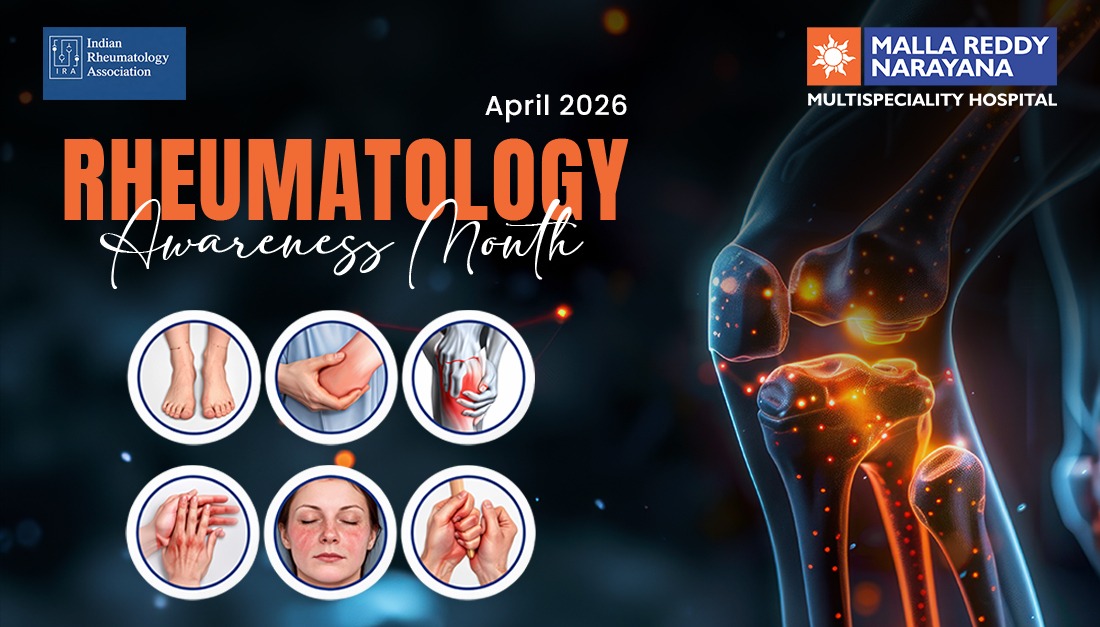
Rheumatology Awareness Month is an important opportunity to highlight conditions that affect joints, muscles, and the immune system many of which are often misunderstood or overlooked. A common misconception is that joint pain is simply a part of ageing. In reality, rheumatological disorders can affect individuals of all age groups, including children and young adults.
Rheumatology deals with a wide range of conditions such as rheumatoid arthritis, osteoarthritis, lupus, gout, ankylosing spondylitis, and other autoimmune diseases. These conditions are often chronic and may progressively impact mobility, daily functioning, and overall quality of life if not identified and managed early.
One of the key challenges in rheumatology is delayed diagnosis. Early symptoms can be subtle and are frequently ignored. Persistent joint pain, swelling, stiffness—especially in the morning lasting more than 30 minutes—fatigue, and reduced range of motion are important warning signs. In autoimmune conditions, the body’s immune system mistakenly attacks its own tissues, leading to inflammation and joint damage over time.
Early detection plays a crucial role in preventing long-term complications. With advancements in medical science, many rheumatological conditions can now be effectively managed. Treatment approaches are individualized and may include medications to control inflammation and immune response, physical therapy to maintain joint function, and lifestyle modifications to support overall health.
Maintaining an active lifestyle is essential for joint health. Regular, low-impact exercises such as walking, swimming, and stretching can help improve flexibility and reduce stiffness. A balanced diet, maintaining a healthy weight, and avoiding smoking are also important factors in managing and reducing the risk of certain rheumatologic conditions.
It is equally important to understand that joint pain should never be normalized or ignored. Seeking timely medical evaluation can lead to early diagnosis, better disease control, and improved long-term outcomes. Rheumatology Awareness Month serves as a reminder to listen to your body and take proactive steps toward joint health.
We at Malla Reddy Narayana Multispeciality Hospital, our specialists are equipped to diagnose and manage a wide spectrum of rheumatological conditions with a patient-focused approach. If you are experiencing persistent joint symptoms, consulting a specialist can make a significant difference in your quality of life.
FAQs
1. What is rheumatology?
Rheumatology focuses on conditions affecting joints, muscles, and the immune system, including arthritis and autoimmune diseases.
Rheumatology focuses on conditions affecting joints, muscles, and the immune system, including arthritis and autoimmune diseases.
2. Is joint pain always related to age?
No. Joint pain can occur at any age and may indicate an underlying condition, not just ageing.
No. Joint pain can occur at any age and may indicate an underlying condition, not just ageing.
3. What are the early signs to watch for?
Persistent joint pain, swelling, stiffness (especially in the morning), and reduced movement.
4. Can rheumatological conditions be treated?
Yes. With early diagnosis and proper treatment, symptoms can be controlled and disease progression can be slowed.
Yes. With early diagnosis and proper treatment, symptoms can be controlled and disease progression can be slowed.
5. When should I consult a specialist?
If joint symptoms last more than a few weeks or interfere with daily activities, it’s important to seek medical advice early.
If joint symptoms last more than a few weeks or interfere with daily activities, it’s important to seek medical advice early.